


bg_image
Posted By

InfyAdmin

Many businesses invest time and money in building a website but later realize that it is not generating leads or inquiries. This situation is very common, especially for businesses in competitive markets such as the USA, Australia, Germany, and Canada.

A website alone does not guarantee customers. Without proper optimization, user experience, and marketing strategy, a website can remain invisible to potential clients.

If your website receives traffic but fails to convert visitors into customers—or worse, receives almost no traffic at all—there may be underlying issues that need to be addressed. Understanding these problems is the first step toward improving your online lead generation.

In this guide, we will explore the most common reasons why websites fail to generate leads and how businesses can fix these issues to improve performance in 2026.

1. Your Website Is Not Optimized for Search Engines

If your website does not appear in search results, potential customers simply cannot find you.

Common SEO issues include:

  • Missing or poorly optimized keywords
  • Lack of technical SEO optimization
  • Poor website structure
  • Slow loading speed
  • Missing meta titles and descriptions

Without proper SEO, your website will struggle to rank on search engines, limiting your ability to attract organic traffic.

How to Fix It

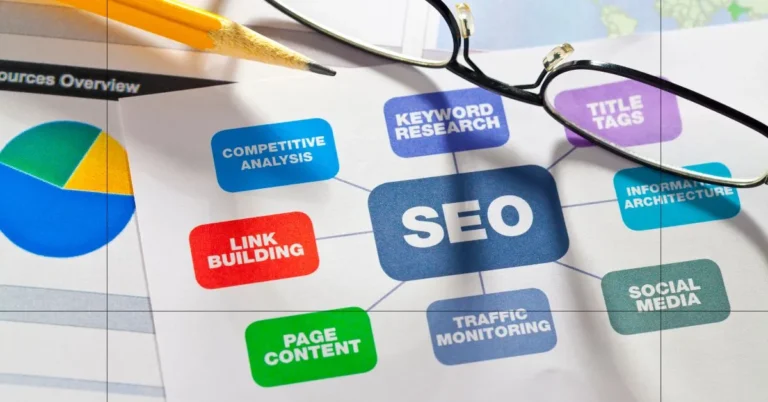
Businesses should implement a comprehensive SEO strategy that includes keyword research, technical optimization, content creation, and link building to improve search engine visibility.

2. Poor Website Design

Website design plays a major role in how visitors perceive your business. If the design looks outdated or unprofessional, visitors may leave within seconds.

Poor design can create problems such as:

  • Lack of trust from potential customers
  • Confusing layout
  • Difficulty navigating pages
  • Low engagement

How to Fix It

A modern, clean, and professional website design helps create a strong first impression and encourages visitors to explore your services.

3. Slow Website Speed

Website speed directly impacts both user experience and search engine rankings. Studies show that users expect a website to load within 2–3 seconds.

Slow websites often suffer from:

  • High bounce rates
  • Lower search rankings
  • Reduced conversions

How to Fix It

Optimizing images, improving hosting quality, and reducing unnecessary scripts can significantly improve website speed.

4. No Clear Call-to-Action (CTA)

Visitors need guidance on what action to take next. Without clear calls-to-action, users may leave your website without contacting you.

Examples of effective CTAs include:

  • “Request a Quote”
  • “Book a Consultation”
  • “Contact Us Today”
  • “Get a Free Website Audit”

How to Fix It

Place strong CTAs on important pages such as the homepage, service pages, and blog posts.

5. Lack of Trust Signals

Online users want to feel confident before contacting a business. If your website lacks credibility indicators, visitors may hesitate to reach out.

Trust signals include:

  • Customer testimonials
  • Case studies
  • Client logos
  • Certifications
  • Secure website (HTTPS)

How to Fix It

Adding testimonials, reviews, and portfolio examples can significantly increase credibility and conversion rates.

6. Your Website Is Not Mobile-Friendly

More than half of internet users browse websites using mobile devices. If your website does not display properly on smartphones, you may be losing a large portion of potential leads.

Signs of poor mobile experience include:

  • Text that is difficult to read
  • Buttons that are hard to click
  • Slow mobile loading speeds

How to Fix It

A responsive website design ensures that your website works smoothly across all devices.

7. Poor Content Strategy

Content plays a crucial role in attracting and engaging visitors. Websites with thin or poorly written content often struggle to generate leads.

Common content problems include:

  • Lack of informative blog posts
  • Poor keyword targeting
  • Generic or outdated information
  • No educational or helpful resources
  • No educational or helpful resources

How to Fix It

Businesses should invest in high-quality content that answers customer questions and demonstrates industry expertise.

8. Complicated Contact Process

If contacting your business requires too many steps, visitors may abandon the process.

Problems may include:

  • Long forms
  • Missing contact information
  • Slow response times

How to Fix It

Keep contact forms simple and provide multiple communication options such as email, phone, and chat.

9. Weak Value Proposition

Visitors should immediately understand what your business offers and why they should choose you.

If your website fails to clearly communicate your value, visitors may leave and choose a competitor.

How to Fix It

Clearly highlight:

  • Your services
  • Your experience
  • Your unique benefits
  • Your results

10. Your Competitors Have Stronger Digital Presence

In competitive markets like the USA, Australia, Germany, and Canada, many businesses invest heavily in SEO, digital marketing, and website optimization.

If your competitors have faster, better-designed, and more optimized websites, they will likely attract more leads.

How to Fix It

Regularly analyze competitor websites and update your strategy to remain competitive.

Benefits of Fixing These Issues

Improving your website can lead to:

  • Higher search engine rankings
  • Increased website traffic
  • Better user experience
  • More inquiries and leads
  • Stronger brand credibility

A well-optimized website acts as a powerful digital marketing tool that works for your business 24/7.

Frequently Asked Questions (FAQs)

Why is my website getting traffic but no leads?

If your website receives visitors but no inquiries, the issue is usually related to user experience or conversion optimization. Problems such as unclear calls-to-action, poor design, lack of trust signals, or complicated contact forms can prevent visitors from taking action. Improving website usability and adding strong CTAs can help convert visitors into leads.

How long does it take to start generating leads from a website?

The timeline depends on the marketing strategy used. Paid advertising can generate leads quickly, sometimes within days, while SEO and content marketing typically take a few months to build momentum. However, SEO provides long-term traffic and sustainable lead generation over time.

Can website design really affect lead generation?

Yes. Website design plays a major role in user experience and credibility. A professional, modern design helps build trust and encourages visitors to explore your services. Poor design or outdated layouts can cause visitors to leave quickly, reducing your chances of generating leads.

How important is SEO for lead generation?

SEO is essential because it helps your website appear in search results when potential customers look for services related to your business. Without SEO, your website may remain invisible online, limiting traffic and lead opportunities.

What is the most important factor for a lead-generating website?

A successful website combines several factors, including fast loading speed, strong SEO optimization, clear messaging, user-friendly design, and effective calls-to-action. When all these elements work together, the website becomes a powerful tool for generating consistent business inquiries.

Conclusion

A website should be more than just an online presence—it should actively generate leads and support business growth.

If your website is not delivering results, the problem may lie in SEO, design, speed, user experience, or content strategy. Addressing these issues can significantly improve performance and help your business attract more customers.

Businesses that continuously improve their websites are better positioned to compete in global markets and convert online visitors into long-term clients.

Get Started Today

Let’s build something users love!

Related Posts

No more posts to show