Launching a mobile app is an exciting milestone for any business. Whether you're building a customer engagement platform, an eCommerce app, or a solution to simplify business operations, one decision will shape the success of your project from day one:

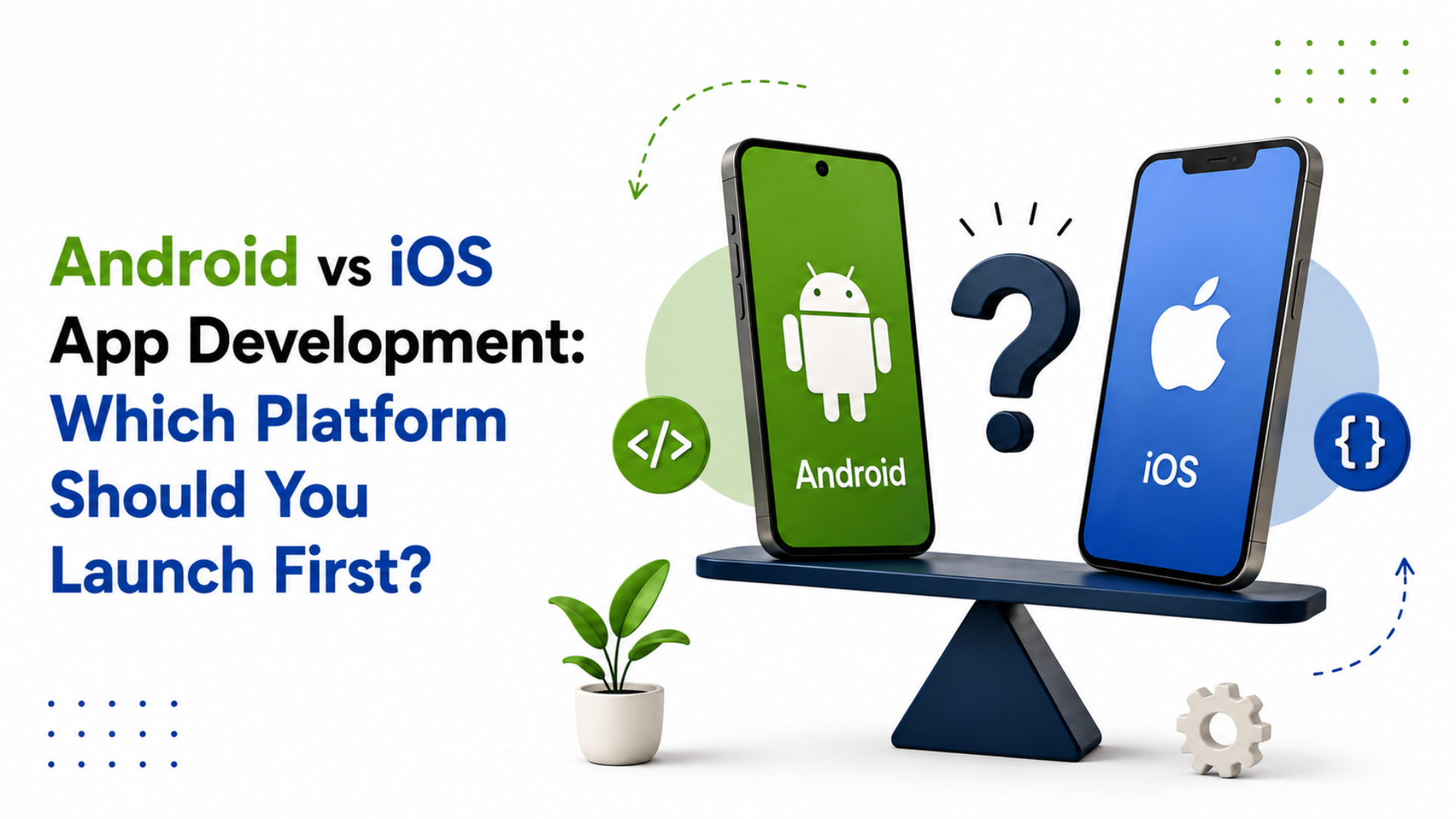
Should you launch on Android or iOS first?

Many business owners assume the answer is simple: build for both platforms. While that sounds ideal, it's not always the smartest strategy. Developing two separate applications requires a larger budget, additional testing, and more development time. For startups and growing businesses, choosing the right platform first can reduce costs while helping you reach the right audience faster.

This is where understanding Android app development becomes essential. Android powers the majority of smartphones worldwide, making it a powerful platform for businesses looking to maximize their reach. However, that doesn't automatically make it the right choice for every project.

The best platform depends on your business objectives, target audience, revenue model, and long-term growth plans.

In this guide, we'll compare Android and iOS app development from a business perspective not just a technical one so you can confidently decide where to launch your app first.


Quick Summary

Choosing between Android and iOS isn't about picking the better operating system—it's about selecting the platform that aligns with your business goals. Android app development is often the preferred choice for businesses targeting a larger audience, while iOS can be ideal for brands focused on premium users and subscription-based models. Understanding your customers before starting development can save time, reduce costs, and improve your app's chances of success.

Why Your First Platform Can Determine Your App’s Success

Building a mobile app requires a significant investment of time, money, and resources. Choosing the wrong platform can delay your return on investment and limit your app's potential from the very beginning.

Imagine opening a luxury restaurant in an area where most customers are looking for affordable fast food. The quality of your restaurant may be exceptional, but if the audience isn't right, success becomes much harder to achieve.

The same principle applies to mobile applications.

Instead of asking,

Which platform is better?

Ask yourself,

Which platform are my customers already using?

Businesses that answer this question early often make smarter development decisions and see better long-term results.

Start with Your Target Audience, Not the Technology

One of the biggest mistakes businesses make is choosing a platform based on popularity rather than customer behavior. Understanding who will use your application should always come before deciding how it will be built. .

Android App Development Is Ideal If...

Android continues to dominate the global smartphone market, making it an excellent choice for businesses that want to reach a wide and diverse audience.

Launching on Android first is often the right decision if your business serves:

  • Retail customers
  • Educational institutions
  • Healthcare providers
  • Logistics and transportation companies
  • Food delivery businesses
  • Startups looking for rapid user growth
  • For example, if you're creating a grocery delivery app for customers across India, Android app development allows you to reach a much larger percentage of smartphone users without immediately increasing development costs.

When iOS Might Be the Smarter Choice

Although iOS has a smaller global market share, its users are often more willing to spend money on premium applications and digital subscriptions.

Launching on iOS first can be beneficial if your business targets:

  • High-income professionals
  • Luxury brands
  • Subscription-based services
  • Healthcare solutions
  • Businesses operating primarily in the United States, Canada, or Australia

For these businesses, attracting fewer but higher-value customers can produce a stronger return on investment than simply reaching the largest audience.

Key Factors Every Business Should Consider Before Choosing a Platform

Before starting development, ask yourself these important questions:

What is your primary business goal?

  • Generate maximum downloads?
  • Increase online sales?
  • Build customer loyalty?
  • Offer premium digital services?

Your answer will help determine whether Android or iOS is the better starting point.

Android vs iOS: A Quick Comparison

Choosing the right platform becomes much easier when you compare them based on your business priorities rather than technical specifications.

Factor Android App Development iOS App Development
Market Reach Larger global audience Smaller but premium audience
Development Cost Moderate Moderate
Revenue Potential Higher downloads Higher average spending
Device Variety Wide range of devices Limited Apple devices
Best For Startups, SMEs, mass-market apps Premium brands, subscription apps
Time to Market Fast with experienced developers Similar development timeline

The table clearly shows there isn’t a universal winner. The right platform depends on who you’re building the app for and what you expect it to achieve.

Common Mistakes Businesses Make Before Launching an App

Clear communication is essential throughout the development process.

Choosing a Platform Without Research

Many businesses choose Android or iOS simply because a competitor uses it. Every business has different customers, goals, and budgets. Always base your decision on market research rather than assumptions.

Focusing Only on Development Cost

Trying to save money by selecting the cheapest option often leads to poor performance, security issues, and expensive improvements later. Instead of asking,

"Which platform is cheaper?"

Ask,

"Which platform gives my business the best long-term return?"

Ignoring Future Growth

Your first version won't be your last.

As your business grows, your app may need:

  • Payment gateways
  • AI-powered features
  • Customer analytics
  • Push notifications
  • Third-party integrations

Planning for scalability from the beginning saves both time and money in the future.

Should You Launch on Both Android and iOS?

For businesses with larger budgets, launching on both platforms can maximize visibility from day one.

However, many startups and growing companies choose a smarter approach.

They launch on one platform first, collect user feedback, improve the product, and then expand to the second platform.

This strategy reduces financial risk while helping businesses validate their idea before making additional investments.

If possible, ask for references from previous clients. A reputable company will be happy to connect you with businesses they've worked with.

Why Businesses Trust InfyApp for Android App Development

Building a successful mobile application requires much more than technical knowledge. It requires understanding your customers, your industry, and your long-term business objectives.

At InfyApp Development we work closely with startups, small businesses, and enterprises to create Android applications that are secure, scalable, and built around real business needs.

Our approach combines business strategy, intuitive UI/UX design, modern development practices, and continuous support to ensure every application delivers measurable value not just downloads.

Whether you're launching your first business app or expanding an existing digital product, our team helps you choose the right technology and development strategy for sustainable growth.

Android app development

Frequently Asked Questions (FAQs)

1. Is Android app development better than iOS app development?

Neither platform is universally better. Android is ideal for businesses targeting a larger audience, while iOS often performs well for premium markets and subscription-based services.

2. Which platform should startups choose first?

Many startups begin with Android because it offers access to a wider audience and allows them to validate their business idea before expanding to additional platforms.

3. Can I launch my app on both Android and iOS later?

Yes. Many businesses launch on one platform first and expand once they've gathered user feedback and validated market demand.

4. How long does Android app development usually take?

The development timeline depends on the app's complexity, features, integrations, and testing requirements. A simple application may take a few months, while enterprise-level solutions require more planning and development.

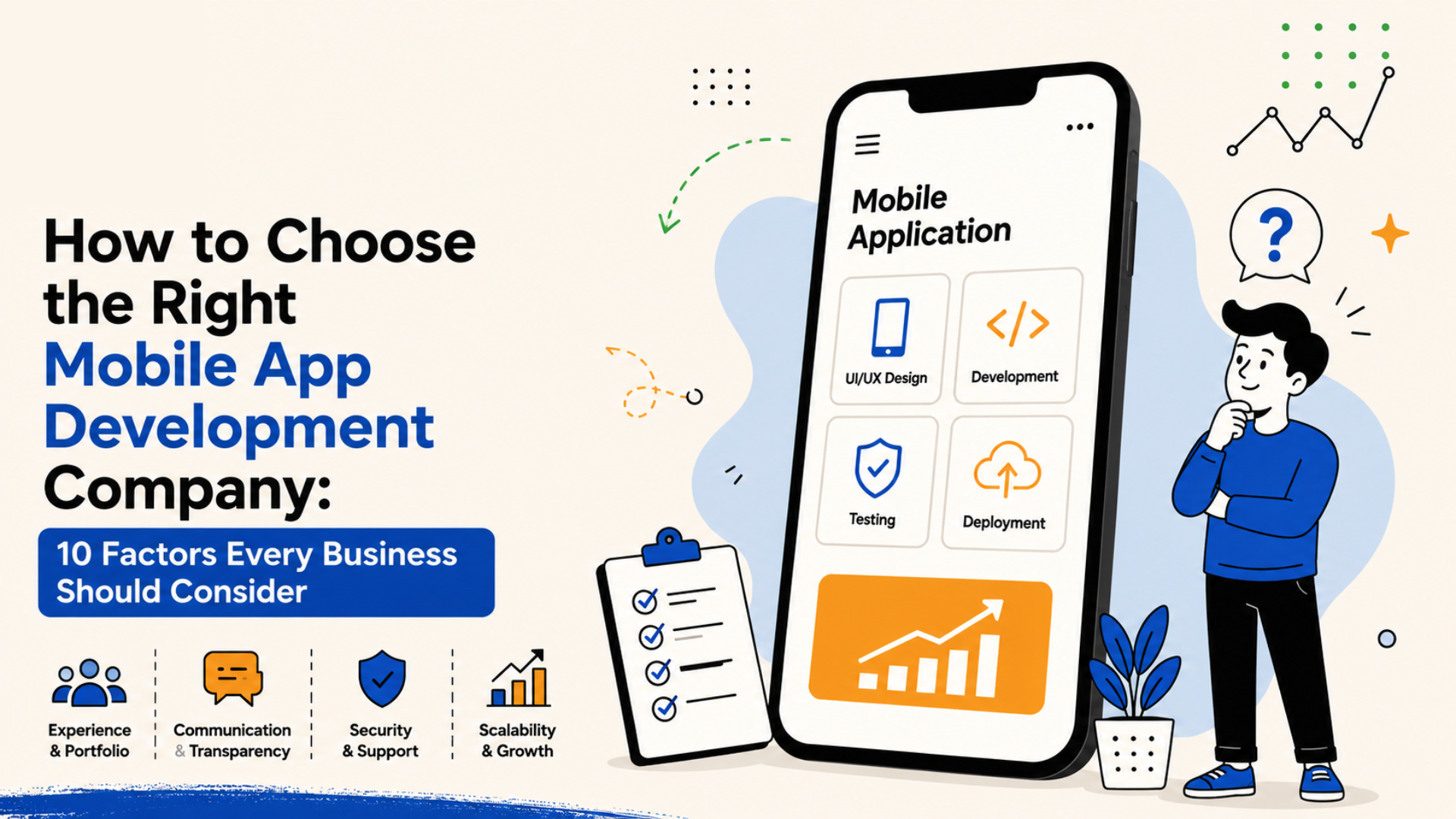
5. How do I choose the right Android app development company?

Look for a company with relevant industry experience, a strong portfolio, transparent communication, modern technology expertise, and reliable post-launch support. Choosing the right partner is just as important as choosing the right platform.

Final Thoughts

There's no one-size-fits-all answer when choosing between Android and iOS. The best decision depends on your customers, business goals, available budget, and future growth plans.

If your priority is reaching a broad audience and building a scalable digital product, Android app development is often the strongest starting point. On the other hand, businesses targeting premium markets or subscription-based users may benefit from launching on iOS first.

Before making your final decision, take the time to understand your audience, evaluate your objectives, and work with an experienced development partner who can recommend the right approach based on your business, not just technology.

At InfyApp Development, we help businesses turn ideas into high-performing mobile applications with strategies tailored to their goals. If you're ready to build an Android app that supports long-term business growth, our team is here to guide you every step of the way.

Get Started Today

Let’s build something users love!

Related Posts

No more posts to show

Related Posts