
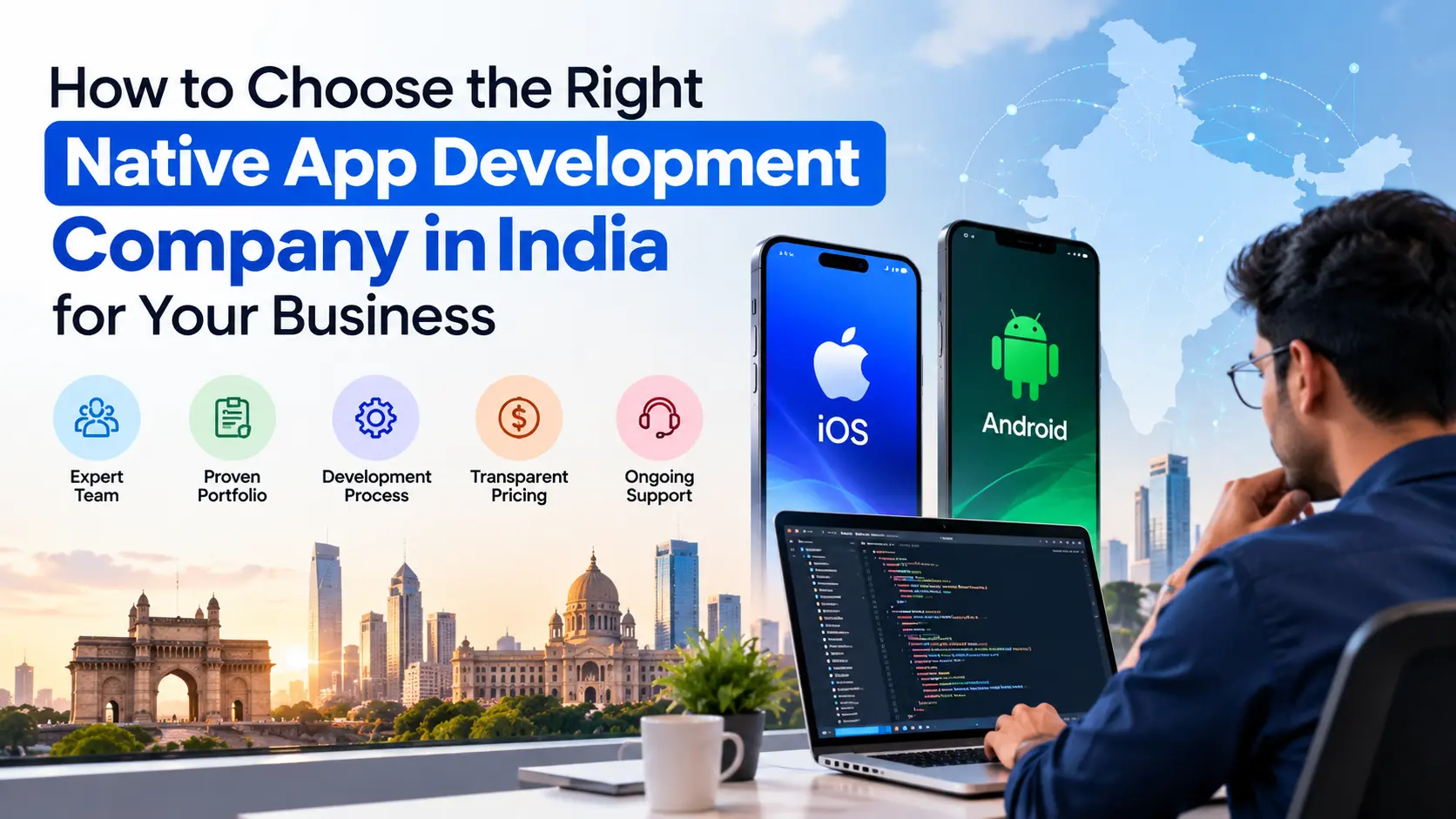
Choosing the right app development partner can directly affect your app’s performance, user experience, development cost, and long-term success.
India has become a popular destination for businesses looking for mobile app development services, but choosing a native app development company in India should not be based on price alone.
The right development partner should understand your business goals, target users, platform requirements, security needs, and future growth plans.
Whether you are building a new business app, customer-facing mobile application, marketplace, fintech product, healthcare app, or enterprise solution, this guide will help you evaluate and choose the right native app development company.
What Is Native App Development?
Native app development involves building mobile applications specifically for a particular operating system.
For example:
- iOS apps are typically developed using Swift or Objective-C.
- Android apps are typically developed using Kotlin or Java.
Unlike cross-platform applications, native apps are designed specifically for their target operating system. This allows developers to take better advantage of platform-specific features, performance capabilities, security features, and user interface standards.
For businesses that require high performance, advanced device functionality, or a highly customised user experience, native development can be a strong option.
Why Choose a Native App Development Company in India?
India has a large technology ecosystem with experienced developers working across mobile app development, software engineering, UI/UX design, cloud technologies, and digital products.
However, the biggest advantage isn’t simply choosing a company based in India. It is finding a development partner that combines technical expertise, business understanding, communication, and long-term support.
A capable native app development company can help businesses:
- Build high-performance mobile applications
- Develop platform-specific features
- Create better user experiences
- Integrate APIs and third-party services
- Implement mobile security practices
- Optimise application performance
- Prepare apps for App Store and Google Play submission
- Maintain and update the application after launch
8 Things to Check Before Hiring a Native App Development Company
1. Check Their Native Development Expertise
The first thing to evaluate is whether the company actually has experience with native technologies.
Ask about their experience with:
For iOS:
- Swift
- Objective-C
- SwiftUI
- iOS SDK
- Apple development tools
For Android:
- Kotlin
- Java
- Android SDK
- Jetpack
- Android development tools
Don’t simply accept a company’s claim that it provides “mobile app development.”
Ask specifically:
Have you built native iOS or Android applications similar to our requirements?
This distinction matters because mobile app development and native mobile app development are not necessarily the same thing.
2. Review Their Portfolio and Previous Projects
A portfolio can tell you more than a long list of services.
Look for projects that demonstrate experience with:
- Similar industries
- Similar business models
- Similar app functionality
- Complex integrations
- User authentication
- Payment systems
- Location-based features
- Push notifications
- APIs
- Real-time functionality
If a company has built apps similar to what you want, it may already understand many of the technical challenges involved.
Don’t just ask, “Have you built an app?”
Ask:
“Have you built an application with requirements similar to ours?”
That is a much better question.
3. Understand Their Development Process
A professional native app development company should have a clearly defined development process.
A typical process may include:
Discovery → Planning → UI/UX Design → Development → Testing → Deployment → Maintenance
Before signing a contract, understand how the company handles:
- Requirement gathering
- Project planning
- UI/UX design
- Development
- Quality assurance
- Client feedback
- App testing
- Deployment
- Post-launch support
A clearly defined process reduces confusion and helps keep the project moving in the right direction.
4. Don't Choose a Company Based Only on Development Cost
Cost is important, but choosing the cheapest developer can become expensive later.
A low initial quote may not include:
- UI/UX design
- Quality testing
- Backend development
- API integrations
- Security testing
- App Store submission
- Maintenance
- Future updates
Instead of asking only:
“How much does the app cost?”
ask:
“What exactly is included in the development cost?”
Request a detailed proposal covering the scope, technology, estimated timeline, deliverables, testing, deployment, and support.
This makes it easier to compare different companies fairly.
5. Evaluate Their UI/UX Capabilities
A technically strong app can still fail if users find it difficult to use.
Your development partner should understand:
- Mobile-first design
- Platform-specific design guidelines
- Navigation
- Accessibility
- User flows
- Interaction design
- Responsive layouts
- Usability testing
Native development gives businesses greater control over platform-specific experiences, so your development team should know how to use that advantage rather than simply reproducing the same interface across platforms.
6. Ask About Testing and Quality Assurance
App development doesn’t end when the code is written.
A professional development company should have a structured testing process.
Testing may include:
- Functional testing
- UI testing
- Performance testing
- Compatibility testing
- Security testing
- Device testing
- Regression testing
- User acceptance testing
The application should also be tested across relevant device versions and operating system versions before launch.
Why does this matter?
A slow application, broken feature, crash, or poor user experience can quickly lead to negative reviews and uninstallations.
Testing should therefore be treated as a core part of development, not an afterthought.
7. Check Communication and Project Management
This is one of the most overlooked factors when choosing an app development company.
Even a technically excellent team can become difficult to work with if communication is poor.
Before hiring a company, find out:
- Who will manage your project?
- How often will you receive updates?
- Which project management tools will be used?
- How will you provide feedback?
- How quickly will issues be addressed?
- Who will communicate technical decisions to you?
Clear communication becomes especially important when working with an offshore or remote development team.
8. Look Beyond the App Launch
Your relationship with a development company shouldn’t necessarily end when the app goes live.
Mobile operating systems, devices, security requirements, and user expectations continue to change.
Ask whether the company provides:
- Bug fixes
- Security updates
- Performance optimisation
- OS compatibility updates
- Feature enhancements
- App Store support
- Google Play support
- Ongoing technical maintenance
A development partner that can support your application after launch can be much more valuable than a company that only delivers the initial product.
Native vs Cross-Platform App Development: Which Should You Choose?
This depends on your business requirements.
| Factor | Native Development | Cross-Platform Development |
| Performance | Excellent | Good to excellent |
| Platform-specific features | Excellent | Depends on framework |
| Customisation | High | High |
| Codebase | Platform-specific | Shared |
| Development approach | iOS/Android separately | Multiple platforms from shared code |
| Ideal for | Performance-focused apps | Faster multi-platform development |
Native development can be particularly suitable when performance, platform-specific functionality, security, or a highly customised user experience is a major priority.
Cross-platform development may be more suitable when faster multi-platform deployment and shared development resources are more important.
The right choice depends on your product not on which technology is currently trending.
Questions to Ask a Native App Development Company in India
Before signing a contract, ask these questions:
Do you have experience developing native iOS and Android applications?
Ask for examples of relevant projects rather than relying only on service descriptions.
Which technologies will you use?
The company should clearly explain the proposed technology stack and why it suits your project.
How will you handle testing?
Ask about their QA process, device testing, performance testing, and security testing.
What is included in the project cost?
Get a detailed breakdown of development, design, testing, deployment, and maintenance.
Who owns the source code?
Make sure ownership and intellectual property terms are clearly defined in the agreement.
What happens after launch?
Understand the company’s approach to maintenance, updates, bug fixes, and future development.
How Much Does Native App Development Cost in India?
There is no single fixed price for native app development because the cost depends heavily on the application’s requirements.
Factors that can affect the cost include:
- Number of platforms
- App complexity
- Number of features
- UI/UX requirements
- Backend development
- API integrations
- Payment integration
- Third-party services
- Security requirements
- Testing requirements
- Development timeline
- Post-launch support
A basic application and a complex enterprise application can have dramatically different development requirements.
Therefore, instead of looking for a generic “native app development cost in India,” businesses should first define their requirements and request a project-specific estimate.
Red Flags to Avoid When Hiring an App Development Company
Be careful if a company:
- Promises an unrealistically short development timeline
- Gives a very low quote without understanding your requirements
- Cannot show relevant previous work
- Doesn’t explain the technology stack
- Has no clear testing process
- Avoids discussing source-code ownership
- Doesn’t provide a clear project scope
- Offers no post-launch support
- Makes unrealistic guarantees about app success
A professional company should be willing to explain what will be built, how it will be built, how long it will take, and what happens after launch.
Final Checklist Before Choosing a Native App Development Company
Before making your decision, check whether the company has:
- Native iOS and Android development experience
- A relevant portfolio
- Experienced developers
- Strong UI/UX capabilities
- A defined development process
- Quality assurance and testing procedures
- Transparent pricing
- Clear communication
- Proper security practices
- Post-launch support
- Clear intellectual property terms
Don’t choose a development partner simply because they offer the lowest price.
Choose the company that can demonstrate technical capability, relevant experience, transparent communication, and a clear understanding of your business objectives.
Frequently Asked Questions
What is a native app development company?
A native app development company specialises in building applications specifically for platforms such as iOS and Android using their respective native programming languages and development tools.
Why should I hire a native app development company in India?
Businesses may choose an Indian development company because of the country’s large technology talent pool and broad software development expertise. However, technical capability, relevant experience, communication, and project fit should be considered before location alone.
How do I choose the best native app development company in India?
Review the company’s native development experience, portfolio, technology expertise, development process, testing practices, pricing, communication process, and post-launch support before making a decision.
Is native app development better than cross-platform development?
Not always. Native development can provide strong performance and platform-specific capabilities, while cross-platform development can offer advantages such as shared code and faster multi-platform development. The best option depends on the project’s requirements.
How much does native app development cost in India?
The cost depends on factors such as app complexity, features, platforms, design, backend development, integrations, testing, and maintenance. A project-specific estimate is more reliable than a generic price range.
How long does it take to develop a native mobile app?
The timeline depends on the app’s complexity, number of features, platforms, design requirements, integrations, and testing. A simple application can require significantly less development time than a complex enterprise or marketplace application.
Conclusion
Choosing the right Native App Development Company in India is ultimately about finding a development partner that understands both technology and your business.
Don’t make the decision based only on price or a polished website. Evaluate the company’s native development expertise, portfolio, process, communication, testing standards, security approach, and long-term support.
The right partner should be able to take your idea from planning and design through development, testing, launch, and future improvements while keeping your business objectives at the centre of the project.
If you’re planning a native mobile application, start by defining your requirements clearly and then compare development companies based on experience, technical capability, transparency, and long-term value.
Related Posts
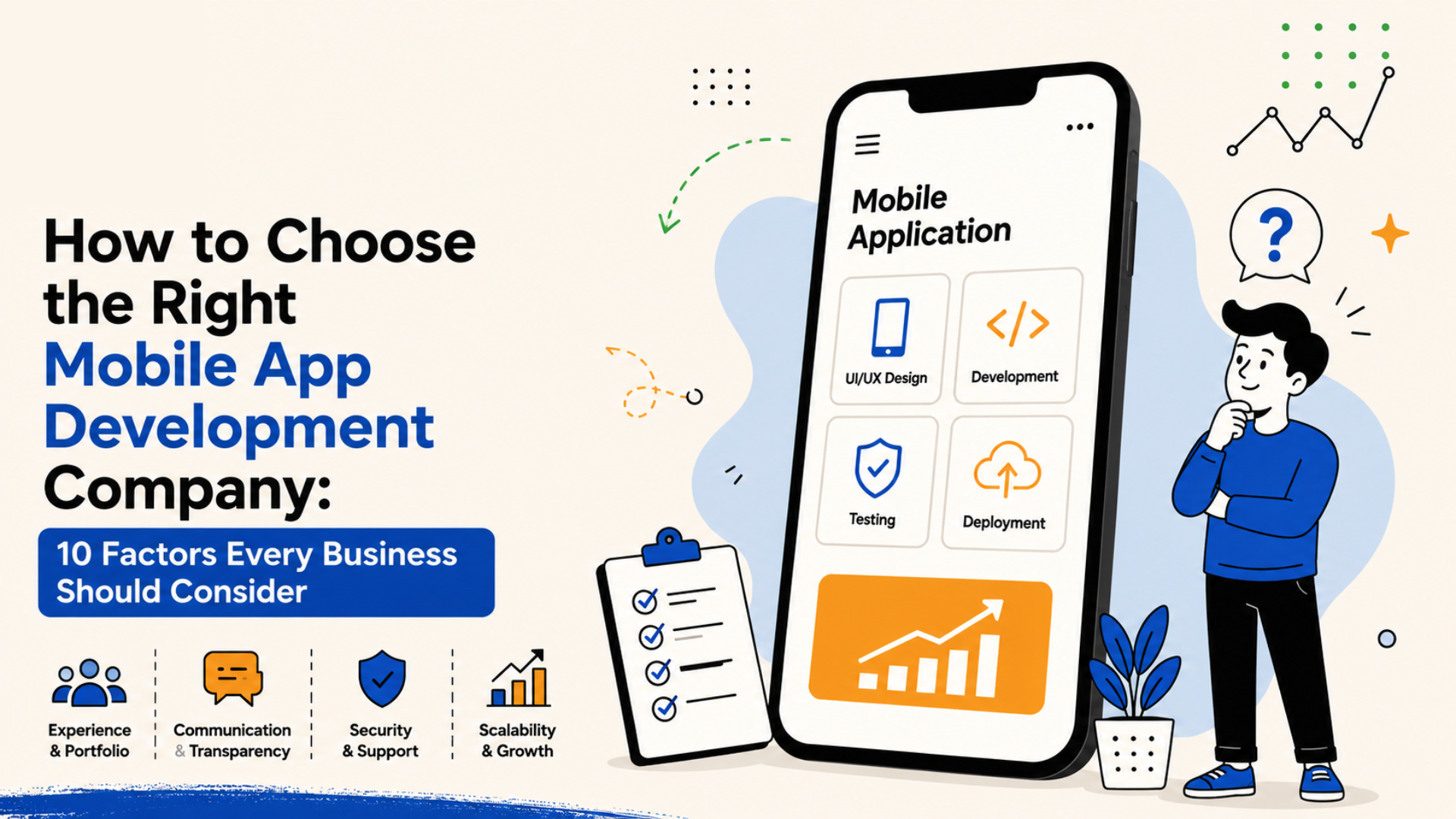
How to Choose the Right Mobile App Development Company: 10 Factors Every Business Should Consider
Choosing a mobile app development company is one of the most important decisions you'll make…
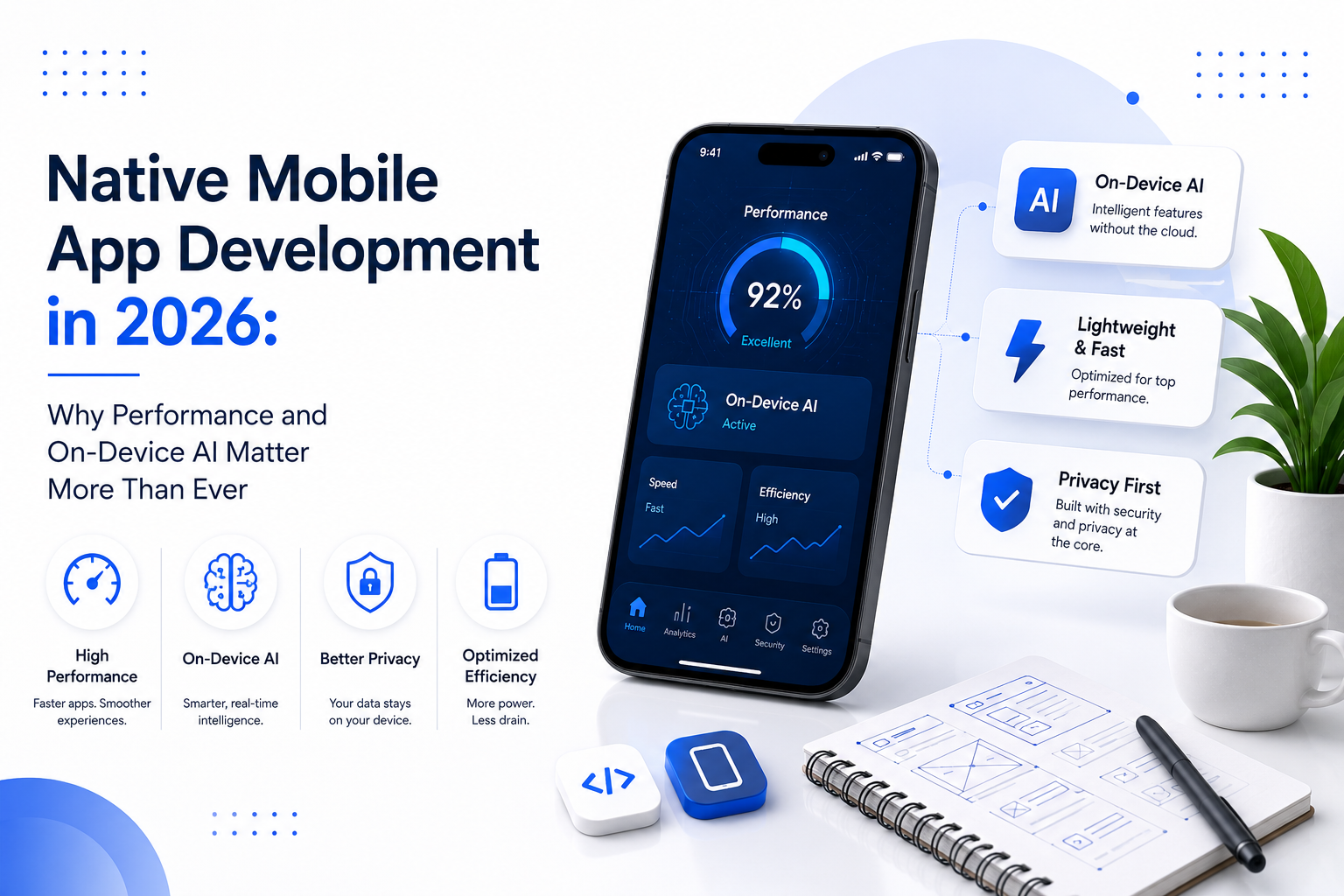
Native Mobile App Development in 2026: Why Performance and On-Device AI Matter More Than Ever
Users expect apps to open quickly, respond instantly, work reliably, protect their data, and increasingly…
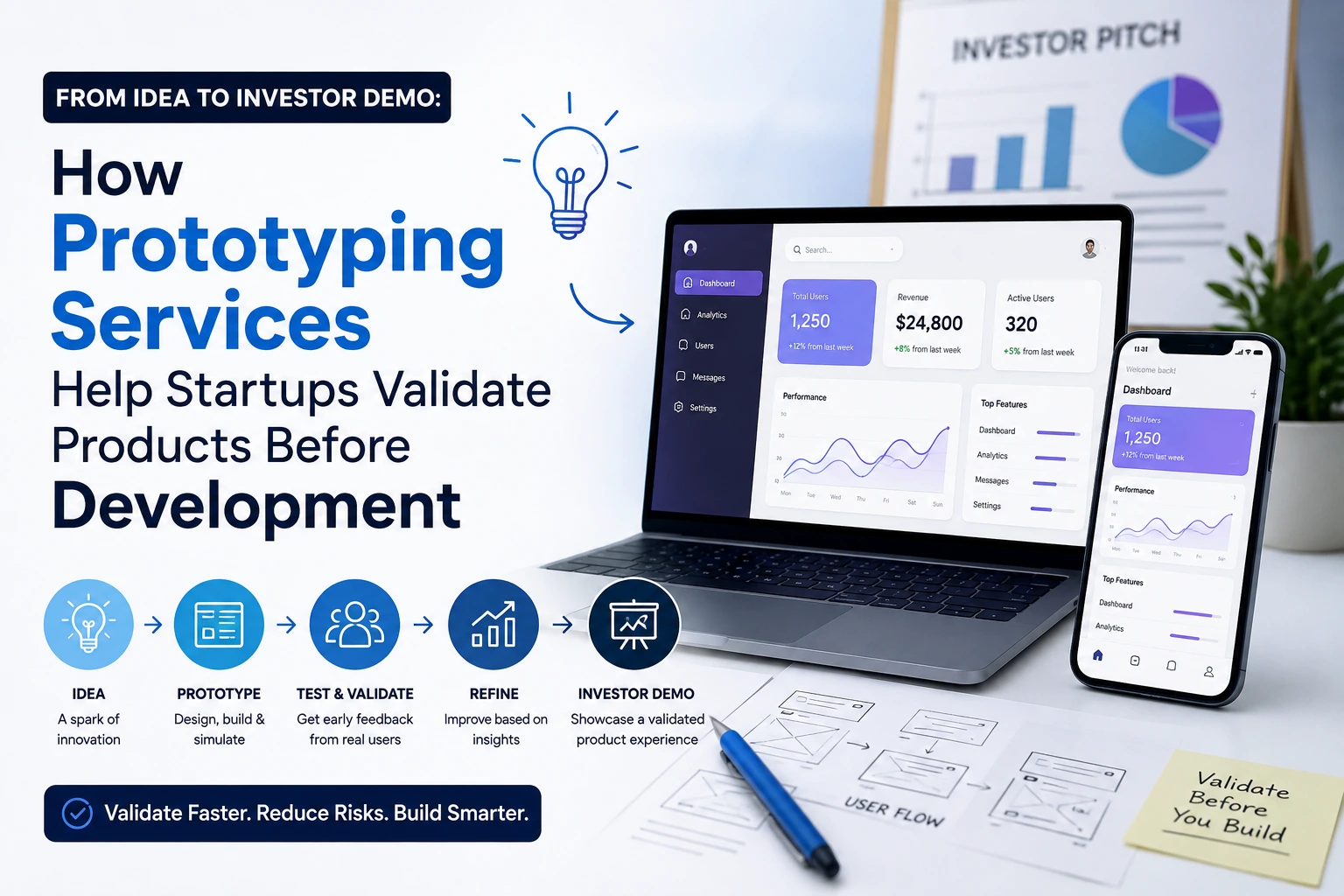
From Idea to Investor Demo: How Prototyping Services Help Startups Validate Products Before Development
Before investing heavily in development, startups need to understand whether users can understand the product,…
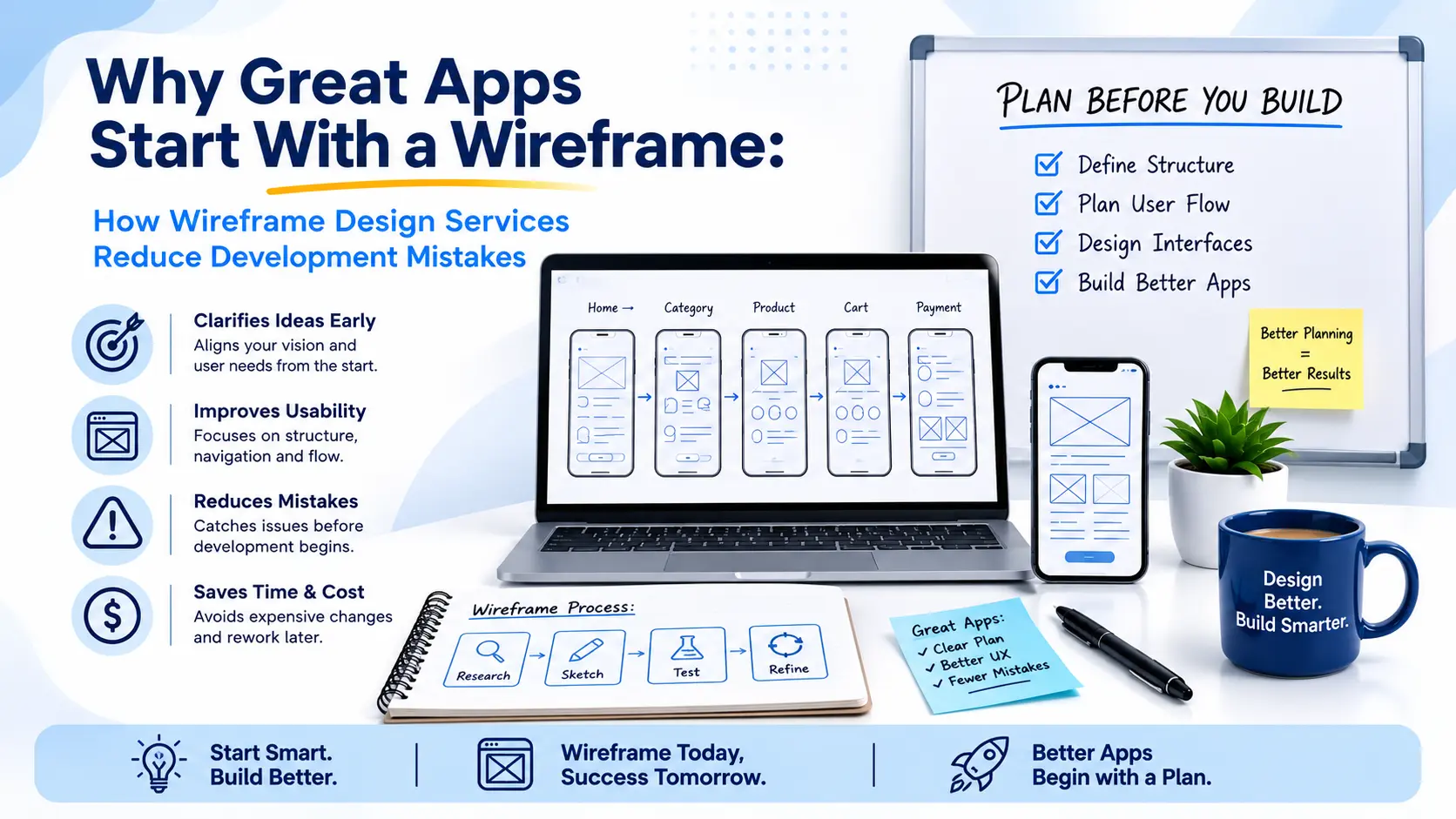
Why Great Apps Start With a Wireframe: How Wireframe Design Services Reduce Development Mistakes
But if users don't know what to do next, developers aren't clear about how a…