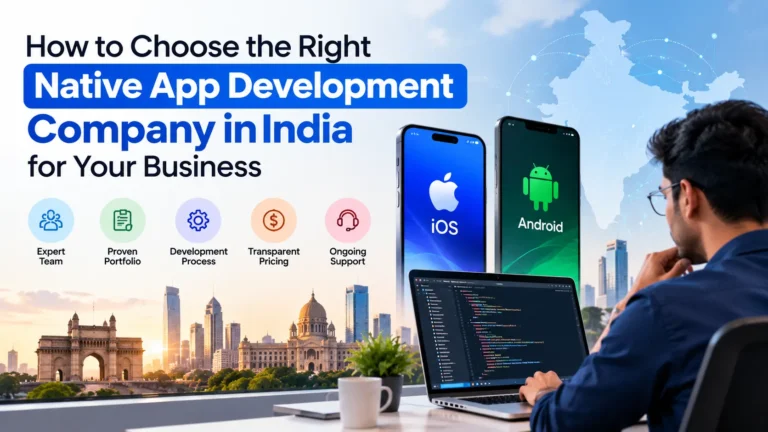
How to Choose the Right Native App Development Company in India for Your Business
Choosing the right app development partner can directly affect your app’s performance, user experience, development cost, and long-term success.



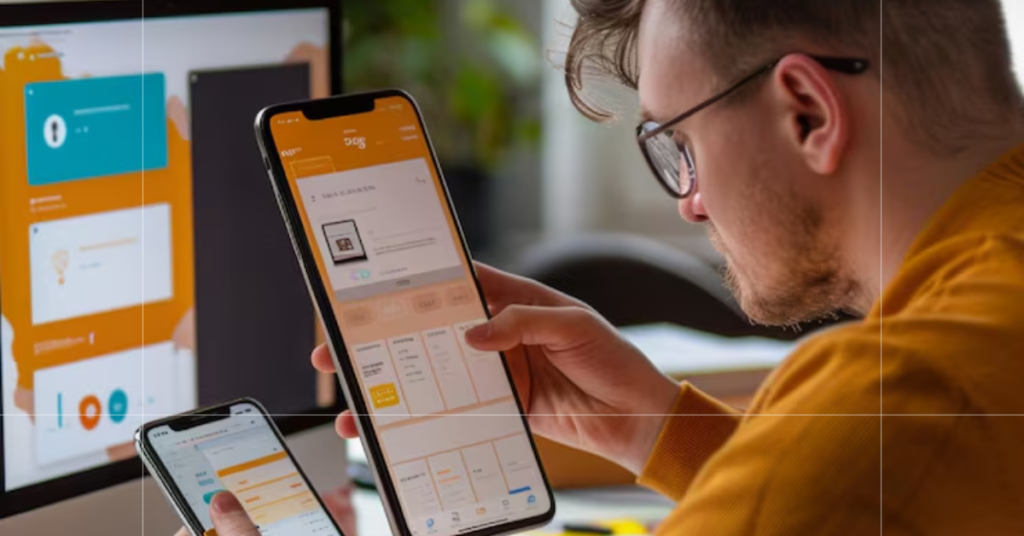
Choosing the right app development partner can directly affect your app’s performance, user experience, development cost, and long-term success.
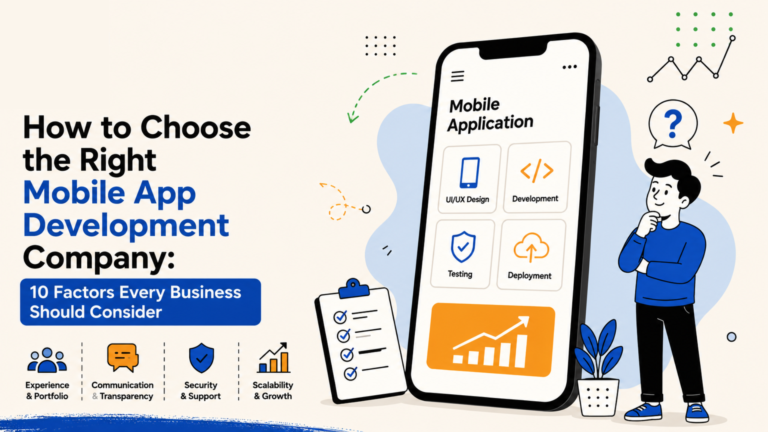
Choosing a mobile app development company is one of the most important decisions you’ll make if you’re planning to launch a mobile application.
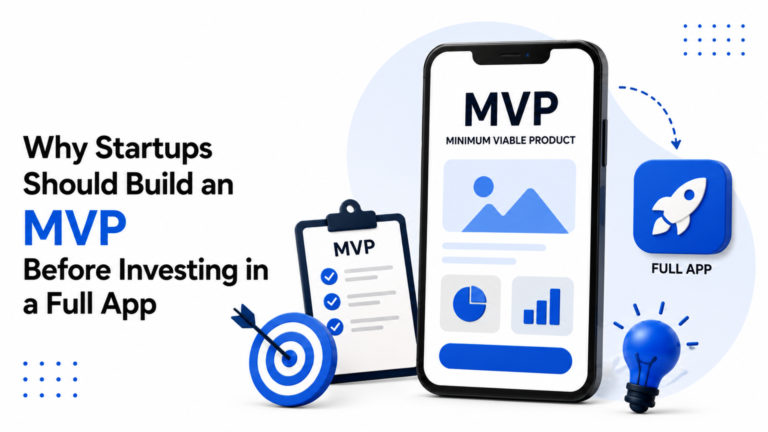
Launching a mobile app is an exciting milestone for any business. Whether you’re building a customer engagement platform, an eCommerce app, or a solution to simplify business operations, one decision will shape the success of your project from day one:
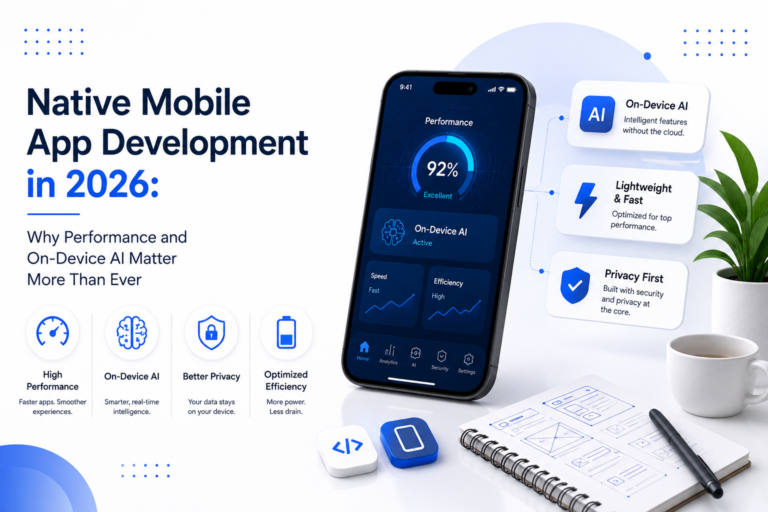
Users expect apps to open quickly, respond instantly, work reliably, protect their data, and increasingly understand what they need without making them complete endless steps.
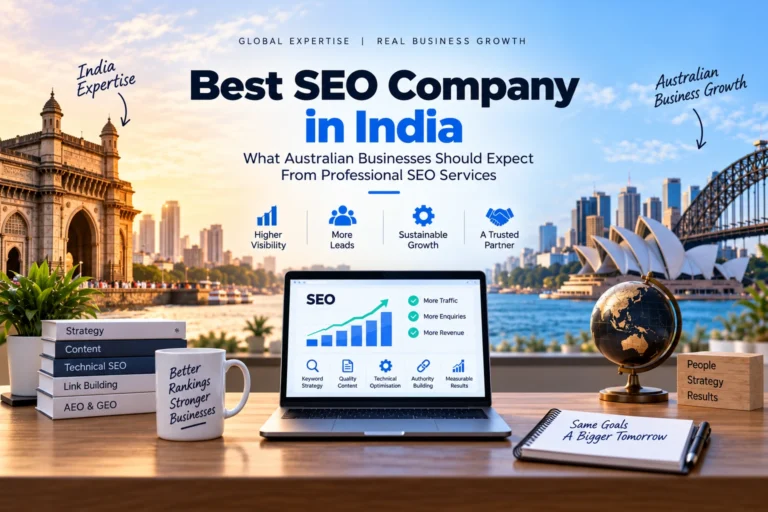
Many agencies promise first-page rankings, instant traffic, and guaranteed results. But for Australian businesses considering an overseas partner, the question is bigger than simply finding an affordable agency.
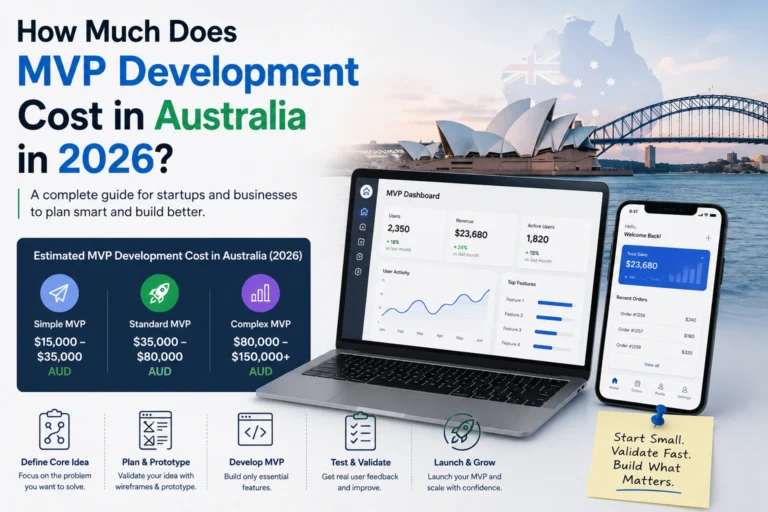
Building a new digital product can be expensive but building the wrong product can cost even more.

Error: Contact form not found.

Denounce with righteous indignation and dislike men who are beguiled and demoralized by the charms pleasure moment so blinded desire that they cannot foresee the pain and trouble.
Read More