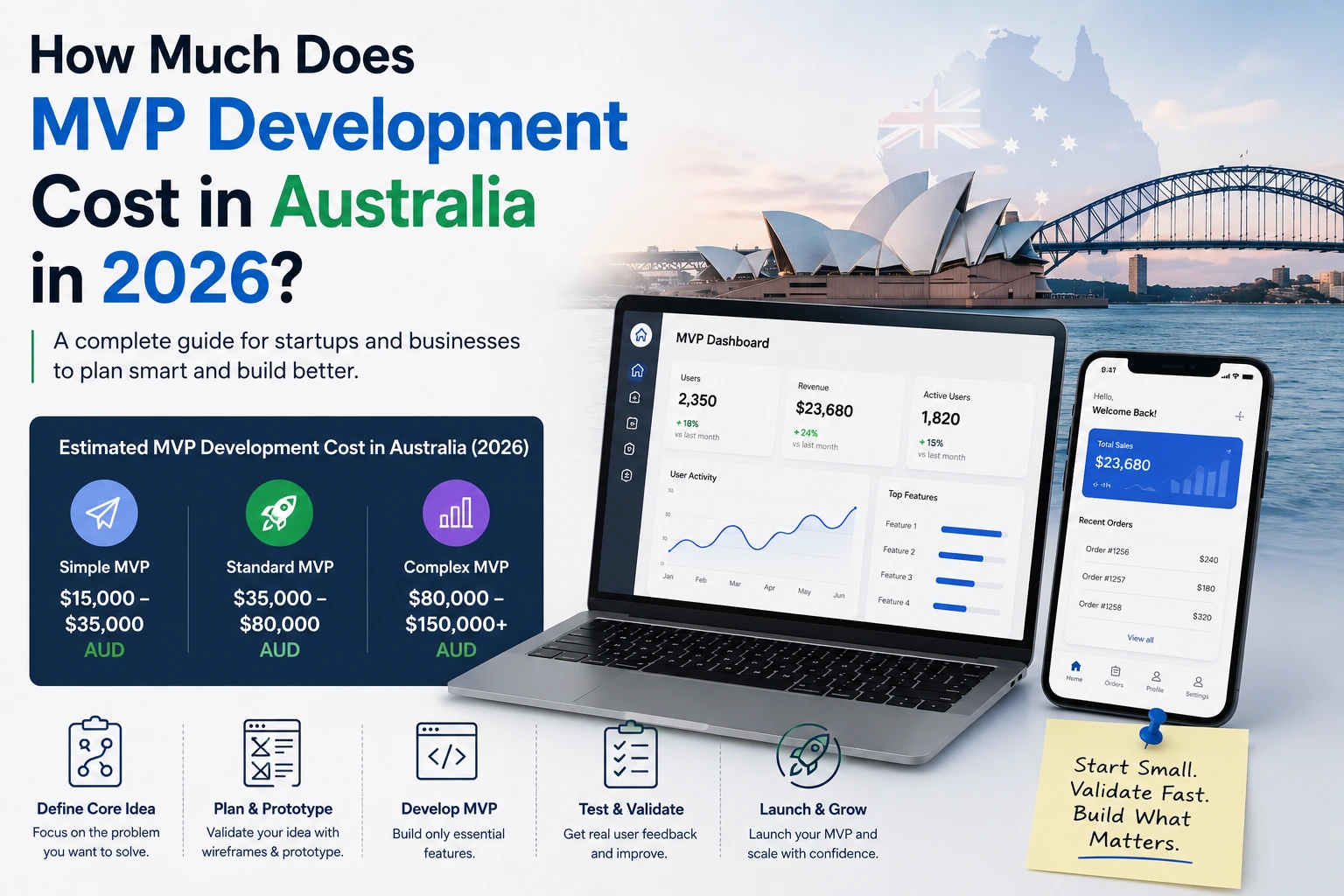
Every successful startup begins with an idea, but not every idea becomes a successful product.

Many entrepreneurs make the mistake of investing months of development time and a significant budget into building a fully featured application before knowing whether customers actually need it. By the time the app is launched, they often discover that users only need a small percentage of the features they spent time and money developing.

This is exactly why successful startups take a different approach.

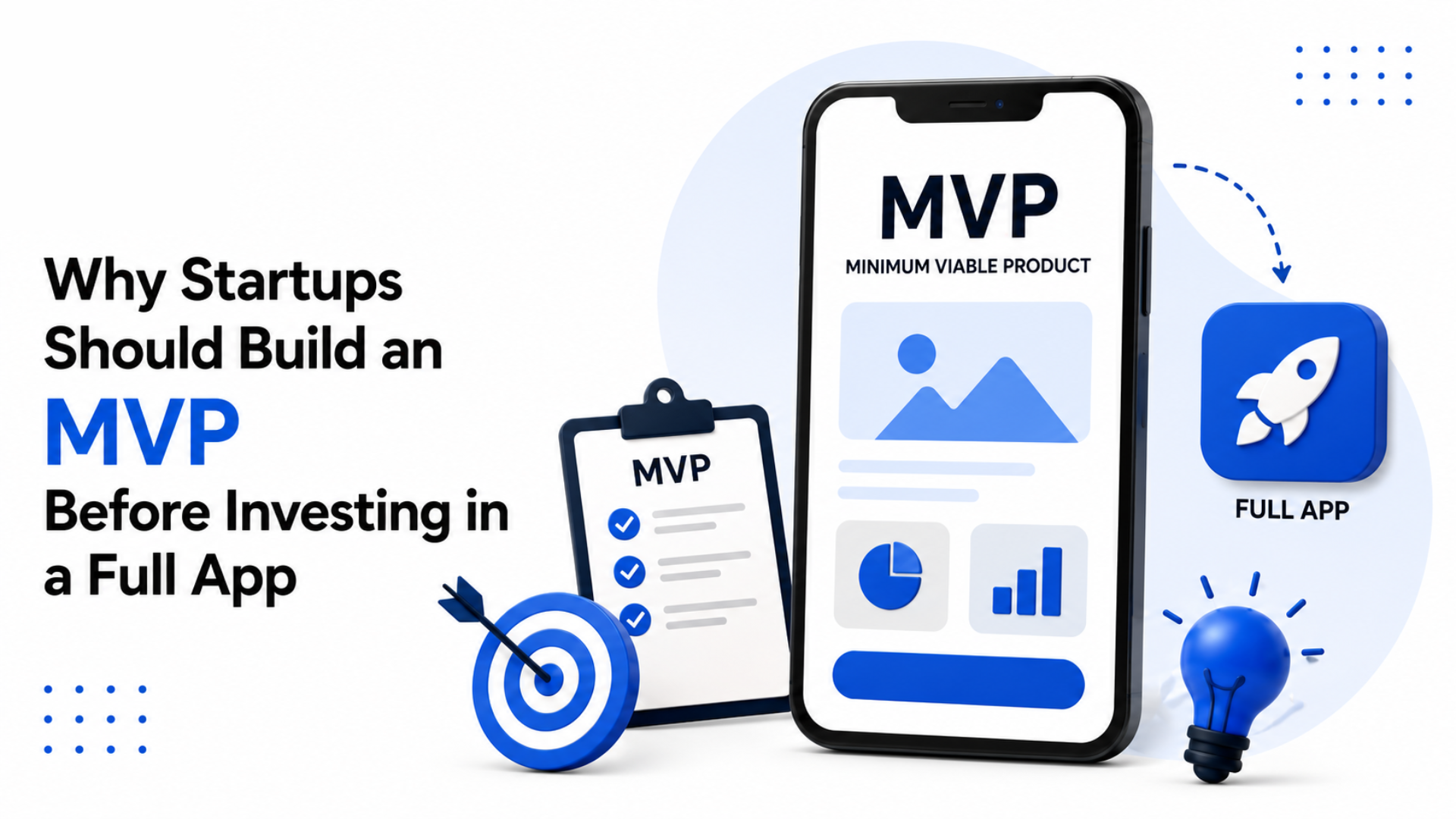
Instead of building everything at once, they launch a Minimum Viable Product (MVP) a simplified version of their application that focuses only on solving the core problem.

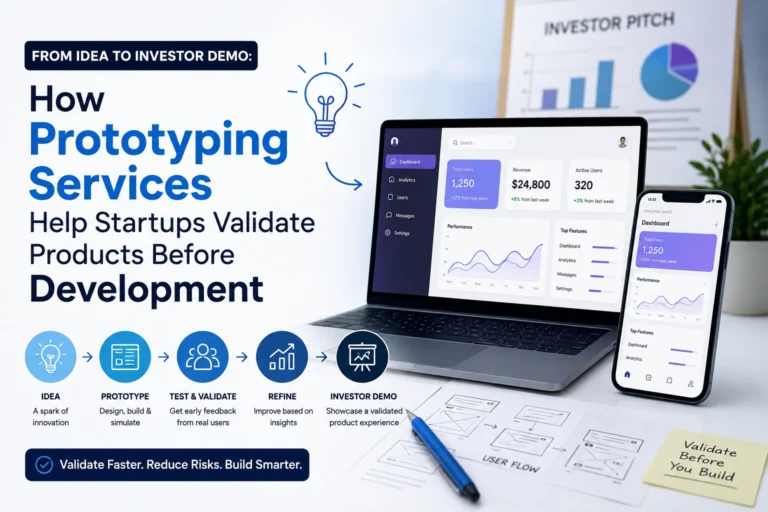
Working with experienced MVP development services allows startups to validate their ideas, collect real customer feedback, and reduce unnecessary development costs before investing in a full-scale application.

If you're planning to launch a new digital product, understanding the value of an MVP could save you thousands of dollars and months of redevelopment.

Quick Summary

Building an MVP before developing a complete application helps startups reduce financial risk, validate business ideas, and understand customer needs before making a major investment. Professional MVP development services enable businesses to launch faster, gather valuable user feedback, and build products based on real market demand instead of assumptions.

Why Building a Full App First Can Be Risky

Imagine spending eight months building an application with dozens of advanced features.

You launch it expecting thousands of users.

Instead...

Only a handful of people download it.

Even worse, the feature you believed would attract customers turns out to be the one they use the least.

Unfortunately, this happens more often than many founders expect.

The biggest reason isn't poor development.

It's building too much before validating the idea.

Customers rarely care about how many features an app has.

They care about whether it solves a real problem.

An MVP allows startups to answer that question before making a large financial commitment.

What Exactly Is an MVP?

When iOS Might Be the Smarter Choice

An MVP, or Minimum Viable Product, is the first working version of an application that includes only the essential features needed to solve a specific problem.

Instead of trying to build the perfect product, startups focus on creating something functional that real users can test.

Think of it as building a bicycle before building a sports car.

If customers don't enjoy riding the bicycle, investing in the sports car doesn't make much sense.

The same principle applies to software development.

Launching an MVP gives businesses valuable insights into user behavior before expanding the product.

How MVP Development Services Help Startups Succeed

Building an MVP isn't simply about removing features.

It's about identifying the features that truly matter.

Professional MVP development services help startups:

Validate Business Ideas

Instead of relying on assumptions, startups receive real feedback from actual users. This helps determine whether there's genuine market demand before investing in full-scale development.

Reduce Development Costs

Every unnecessary feature increases both development time and project cost.

By focusing only on essential functionality, startups can launch faster while managing their budgets more effectively.

Reach the Market Faster

In competitive industries, speed matters.

Launching an MVP allows businesses to introduce their product quickly, gather customer feedback, and improve the application through future updates instead of delaying the launch for months.

Attract Investors

Investors are far more interested in products that demonstrate real user engagement than ideas presented only through presentations or prototypes.

An MVP provides evidence that customers are interested in the solution, making it easier to secure future investment.

Signs Your Startup Should Build an MVP First

Building a Minimum Viable Product is often the smartest decision if:

  • You’re launching your first startup.
  • Your business idea hasn’t been tested.
  • You’re working with a limited budget.
  • You want to validate market demand.
  • You’re planning to approach investors.
  • You’re entering a competitive industry.
  • You want to reduce development risks.

If several of these points apply to your business, investing in MVP development services before building a full application can significantly improve your chances of long-term success.

Common Mistakes Startups Make Without an MVP

Many startups believe that adding more features will automatically make their app more successful. In reality, the opposite is often true.

Launching a product without validating your idea can lead to wasted time, higher development costs, and a solution that doesn’t meet customer expectations.

MVP development services

Building Too Many Features Too Soon

One of the biggest mistakes is trying to create the “perfect” app before launching. While advanced features may sound impressive, they often delay development and increase costs without guaranteeing user adoption.

Start with the essentials, gather feedback, and expand your app based on what your users actually need.

Ignoring Customer Feedback

Some founders spend months developing an application without involving potential users.

An MVP changes this approach by putting a working product in front of real customers early. Their feedback helps you improve the app with confidence rather than relying on assumptions.

Waiting Too Long to Launch

Many startups delay launching because they believe the product needs one more feature or one more improvement.

The longer you wait, the greater the chance that competitors will enter the market or customer needs will change.

Launching an MVP allows you to learn, improve, and grow much faster than waiting for perfection.

MVP vs Full App: Which One Should You Build?

Feature MVP Full App
Initial Investment Lower Higher
Development Time Faster Longer
Business Risk Lower Higher
User Feedback Early After Full Launch
Best For Startups & New Ideas Established Businesses
Scalability Can Expand Over Time Built for Long-Term Growth

For most startups, launching an MVP first is the smarter business decision because it provides valuable market insights while keeping financial risks under control.

When Should You Skip an MVP?

Although MVPs work well for most startups, there are situations where building a complete application from the beginning may be the better choice.

You may not need an MVP if:

  • You’re upgrading an existing application with an established user base.
  • Your business already has proven market demand.
  • Regulatory or compliance requirements demand a complete solution from launch.
  • You’re replacing outdated internal software within an organization.

In these situations, investing directly in full application development can make more sense.

Why Startups Choose InfyApp for MVP Development Services

Turning an idea into a successful digital product requires more than technical skills it requires understanding business challenges, customer behavior, and product strategy.

At InfyApp Development, our MVP development services help startups transform ideas into functional products that can be tested in the real market.

From product discovery and UI/UX design to development, testing, and future scalability, our team focuses on building MVPs that help businesses validate ideas quickly while reducing unnecessary development costs.

Whether you’re preparing to pitch investors or launching your first startup, we help you build a product that is designed to grow alongside your business.

Frequently Asked Questions (FAQs)

1. What is an MVP in app development?

An MVP (Minimum Viable Product) is the first functional version of an application that includes only the essential features needed to solve a specific problem. It allows businesses to validate their ideas before investing in a full product.

2. Why are MVP development services important for startups?

Professional MVP development services help startups reduce development costs, launch faster, collect customer feedback, and minimize business risks before building a complete application.

3. How long does it take to build an MVP?

The timeline depends on the project's complexity and required features. Since an MVP focuses only on core functionality, it is generally completed much faster than a fully featured application.

4. Can an MVP be expanded into a full application later?

Yes. One of the biggest advantages of an MVP is that it provides a strong foundation for future updates. As your business grows and customer feedback is collected, new features can be added without rebuilding the entire application.

5. How do I know if my startup needs MVP development services?

If you're launching a new product, testing a business idea, working with limited funding, or planning to attract investors, investing in MVP development services is often the most practical first step.

Final Thoughts

Every successful startup begins with a single idea, but transforming that idea into a profitable product requires careful planning and smart decision-making. Instead of investing heavily in a feature-rich application from the start, building an MVP allows you to validate your concept, understand customer expectations, and reduce development risks.

Professional MVP development services give startups the opportunity to launch faster, gather meaningful user feedback, and improve their product based on real market demand rather than assumptions.

ProfessionalMVP development services give startups the opportunity to launch faster, gather meaningful user feedback, and improve their product based on real market demand rather than assumptions.

If you're planning to develop your first application, starting with an MVP could be the smartest investment you make. At InfyApp Development, we help startups build scalable MVP solutions that support long-term business growth while keeping development efficient and cost-effective.

Get Started Today

Let’s build something users love!

Related Posts

No more posts to show

Related Posts